

You can declutter sentimental things by separating the physical object from the memory it holds. Start with a small box of items and give yourself a time limit of thirty minutes to make decisions. This process allows you to honor your past while making room for your current life.
How to get rid of sentimental things without the guilt
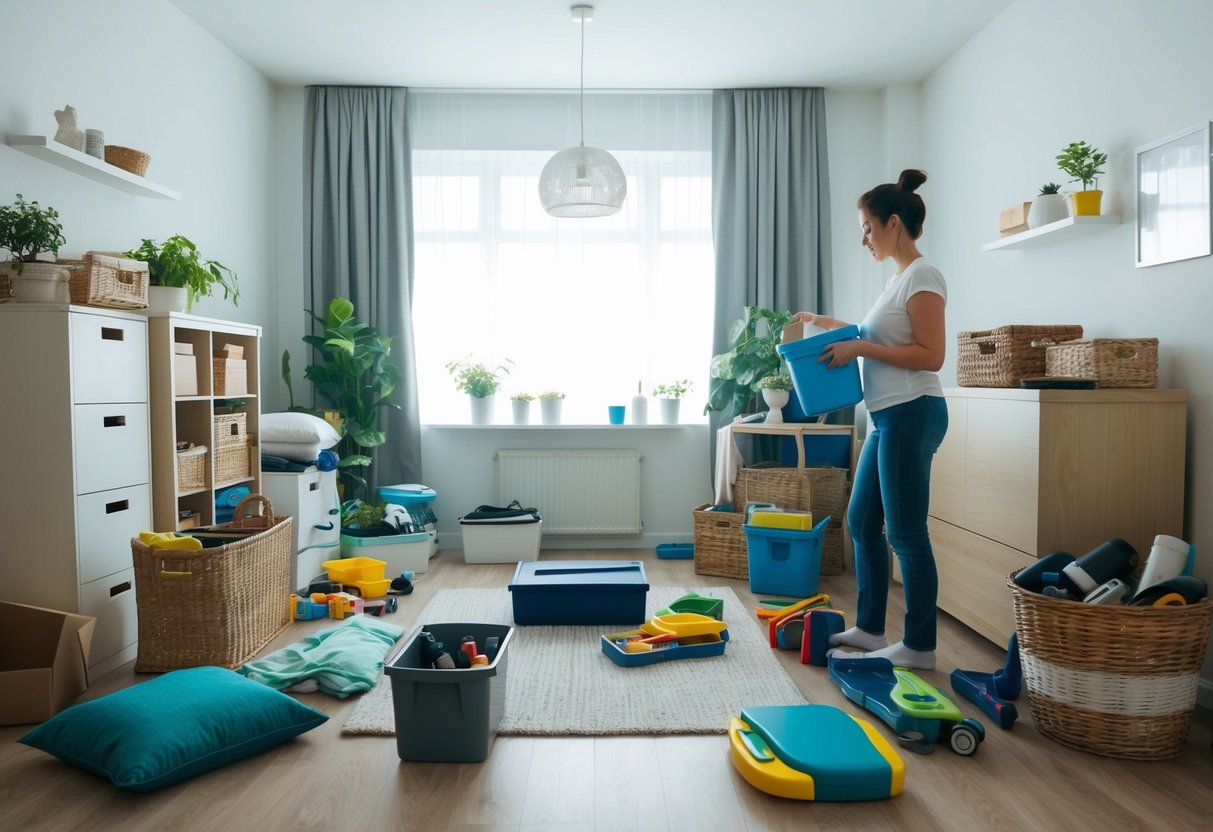
The first step is to gather all your sentimental items into one area. Do not try to do the whole house at once because you will feel tired and sad. Instead, pick one category like old greeting cards or school papers. Setting a timer for twenty minutes helps you stay focused on the task instead of getting lost in the memories. You need a clear mind to decide what truly adds value to your home today.
Professional organizers often suggest using a container limit to manage these items. Choose one sturdy plastic bin or a beautiful wooden box for your keepsakes. Once that container is full, you must remove one old item before you can add a new one. This creates a natural boundary that prevents clutter from spreading to your closets or under your bed. If you need help with the technical side of managing a household, you can read about housekeeping to see how others balance storage and space.
The photo and digitize method
Many items take up a lot of physical space but only hold a tiny bit of emotional value. For things like bulky trophies, old t-shirts, or large craft projects, taking a high quality photo is a great solution. You can keep the photo in a digital album or print a small photo book that takes up very little room on a shelf. This way, you still have the visual reminder of the person or the event without the dust and the heavy box.
- Take a clear photo of the item in natural light.
- Write a one sentence note about why the item was special.
- Save the photo to a dedicated folder on your computer or cloud storage.
- Place the physical item in a donation bag or the bin immediately.
- Repeat this for five items every weekend until the pile is gone.
Sorting items by emotional levels
Not all sentimental items are the same. Some things are very precious, while others are just items you feel bad about throwing away because they were gifts. Divide your items into three piles: the definite keepers, the maybe pile, and the let go pile. Be honest about whether you actually like the item or if you are just keeping it to avoid feeling like a bad person. If a gift does not fit your style, the person who gave it to you would likely want you to have a home that makes you feel peaceful.
The maybe pile is very helpful for reducing stress. If you are unsure about an item, put it in a box and seal it with tape. Write the date on the box and store it in a closet for three months. If you do not think about those items or feel the need to open the box during that time, you can safely donate them. This is a common practice in professional organizing to help people move past their fear of regret.
A step by step plan for your memory box
Creating a curated memory box is the best way to keep your most loved treasures safe. Instead of having things scattered in different drawers, everything goes in one spot. This makes the items feel more special when you do look at them. Spend one hour this weekend going through your most recent collection of keepsakes to find the best of the best. You only want to keep things that spark a happy story when you see them.
- Buy one archival safe box to prevent yellowing of papers and fabric.
- Pick only three items to represent each major life event or person.
- Remove any items that are broken or damaged beyond repair.
- Discard any items that bring up negative or painful memories.
- Label the box clearly and store it on a shelf where it is easy to reach.
Dealing with inherited items and gifts
Inherited items often carry the most guilt, but your home is not a museum for someone else. You can honor a loved one by keeping one or two of their very best pieces and letting the rest go to someone who will use them. If you have a whole set of china that you never use, keep one teacup to display and donate the rest. Using that one teacup daily is a better way to remember someone than keeping twelve plates in a dark box.
When you let go of items, try to focus on the joy they might bring to someone else. Donating clothes or household goods to a local charity ensures the items continue their story. This shift in thinking from losing an item to giving an item makes the process much easier. It takes about fifteen minutes to pack a bag for donation, and the feeling of a light, clear home lasts much longer than the temporary sting of saying goodbye to a physical object.


0 Comments